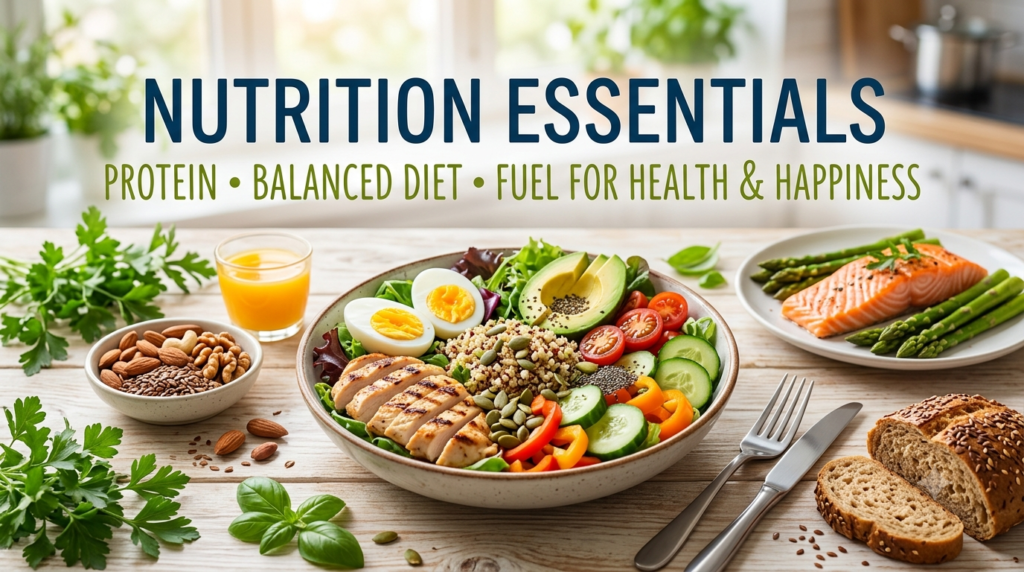
Welcome to this week’s exploration of nutrition essentials, where we’re diving deep into one of the most buzzed-about and vital components of our diet: protein. Whether you’re an athlete recovering from a tough workout, a curious eater aiming for balanced nutrition, or just someone wondering why protein gets so much attention, this post is for you. Let’s unpack why protein truly matters and how it fuels your health and happiness.
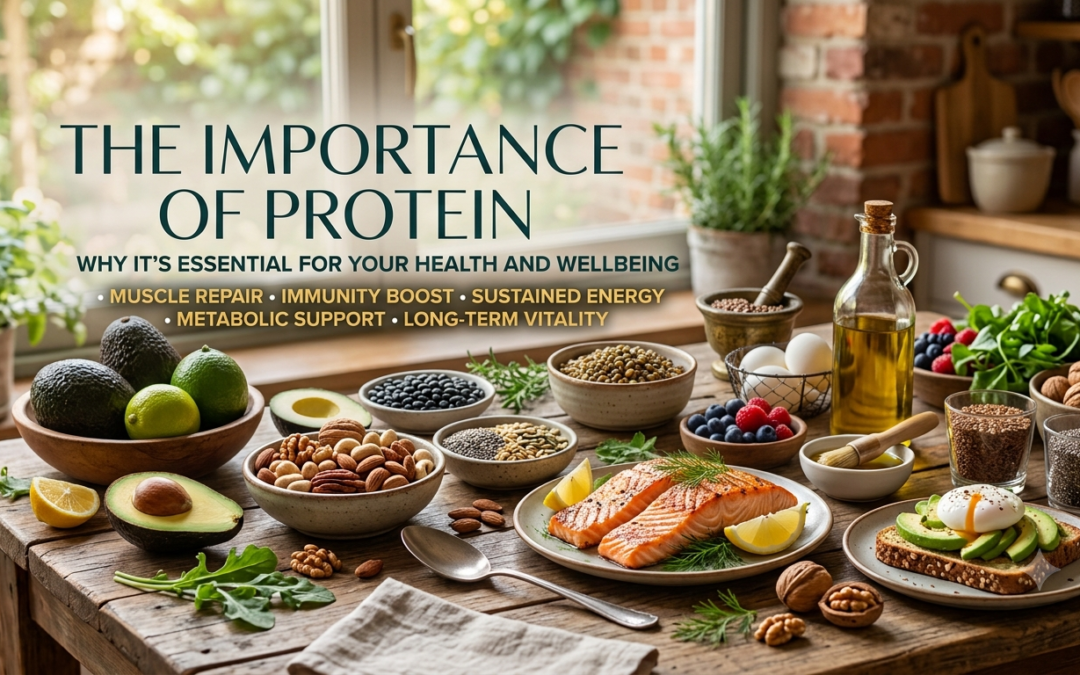
Protein is often hailed as a macronutrient superstar, alongside fats and carbohydrates, but what exactly is it? At its core, protein is made up of amino acids—the building blocks your body needs to create everything from muscles to enzymes. Its functions are vast: repairing tissues, supporting immune function, transporting oxygen, and even acting as messengers in your body’s complex systems. Essentially, protein keeps the machinery of life running smoothly
For anyone interested in muscle building or recovery, protein is an absolute MVP. After exercise, your muscles need amino acids to repair microscopic tears and rebuild stronger than before—a process called protein synthesis. Athletes often track their protein intake carefully to optimize this, but even casual gym-goers benefit from ensuring they get enough protein to recover properly. It’s not just about bulking up; protein helps your muscles bounce back and adapt so you can keep performing at your best.
Beyond muscle, protein can play a surprising role in managing weight and metabolism. Thanks to its high satiety factor, protein helps you feel full longer, which can reduce overeating. Plus, digesting protein uses more energy—a phenomenon known as the thermic effect of food—meaning your body burns more calories processing it compared to fats or carbs. This makes protein a valuable ally if you’re aiming to lose weight or maintain a healthy metabolism.
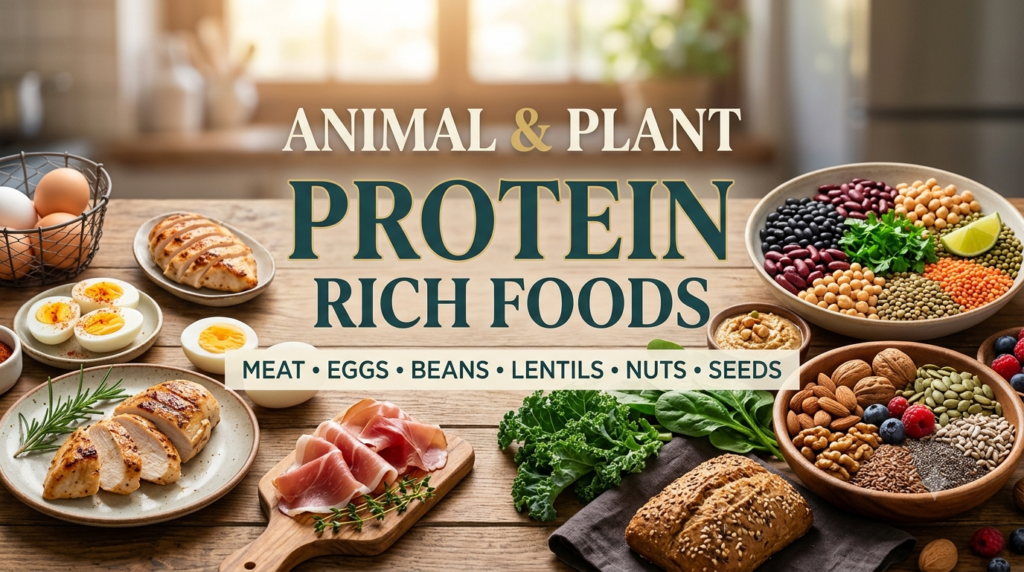
Protein comes in many forms, and understanding your options can make a big difference. Animal proteins—like meat, dairy, and eggs—are considered complete proteins because they contain all essential amino acids your body needs. Plant-based options—such as beans, lentils, nuts, and seeds—can also provide these amino acids but often require combining different foods to get the full range. Whether you’re omnivorous, vegetarian, or vegan, there’s a rich variety of protein-rich foods to fit your lifestyle and preferences.
Protein needs aren’t one-size-fits-all. They vary depending on age, activity level, and overall health. For example, seniors may need a bit more protein to preserve muscle mass and support immune health, while active individuals and athletes require higher amounts to fuel training and recovery. It’s all about tuning your intake to what your body demands. Consulting nutrition guidelines or a dietitian can help you hit your personalized protein goals.
Protein has earned its fair share of myths over the years—from concerns about kidney damage to worries about “excessive” intake. The truth is, for most healthy people, moderate to high protein consumption is safe and beneficial. Balanced eating is key—protein should be part of a well-rounded diet, not the sole focus. Dispelling these myths helps you make informed choices without fear or confusion.
Incorporating adequate protein into your daily meals is one of the simplest, smartest ways to support your body’s health and vitality. From muscle repair and metabolic health to balanced nutrition and long-term wellbeing, protein plays a starring role. So whether you’re reaching for that morning eggs-and-avocado toast, a hearty bean salad, or a post-workout shake, remember: protein is your friend for life.
Thanks for joining me this week! Next time, we’ll take a closer look at the fascinating world of healthy fats and how they complement your protein intake for a powerful nutrition combo. Until then, stay curious and nourish yourself well.